Southeast Asia: The Hub Powering the Next Generation of Supply Chains
Written by Jonathon Kottegoda-Breden, President Asia Logistics, Toll Group
Southeast Asia is fast becoming the new crossroads of global commerce. By 2040, it’s expected to rank as the world’s fourth-largest economy, driven by demographic strength, digital transformation and deepening regional integration.
For Australia, this moment presents a rare opportunity. Our proximity to the region gives us a front-row seat to one of the most dynamic growth stories of our time. To future-proof our transport and logistics industries, we must look to Asia and Southeast Asia, not as a distant market, but as a strategic partner.
Redrawing Trade Routes Through Southeast Asia
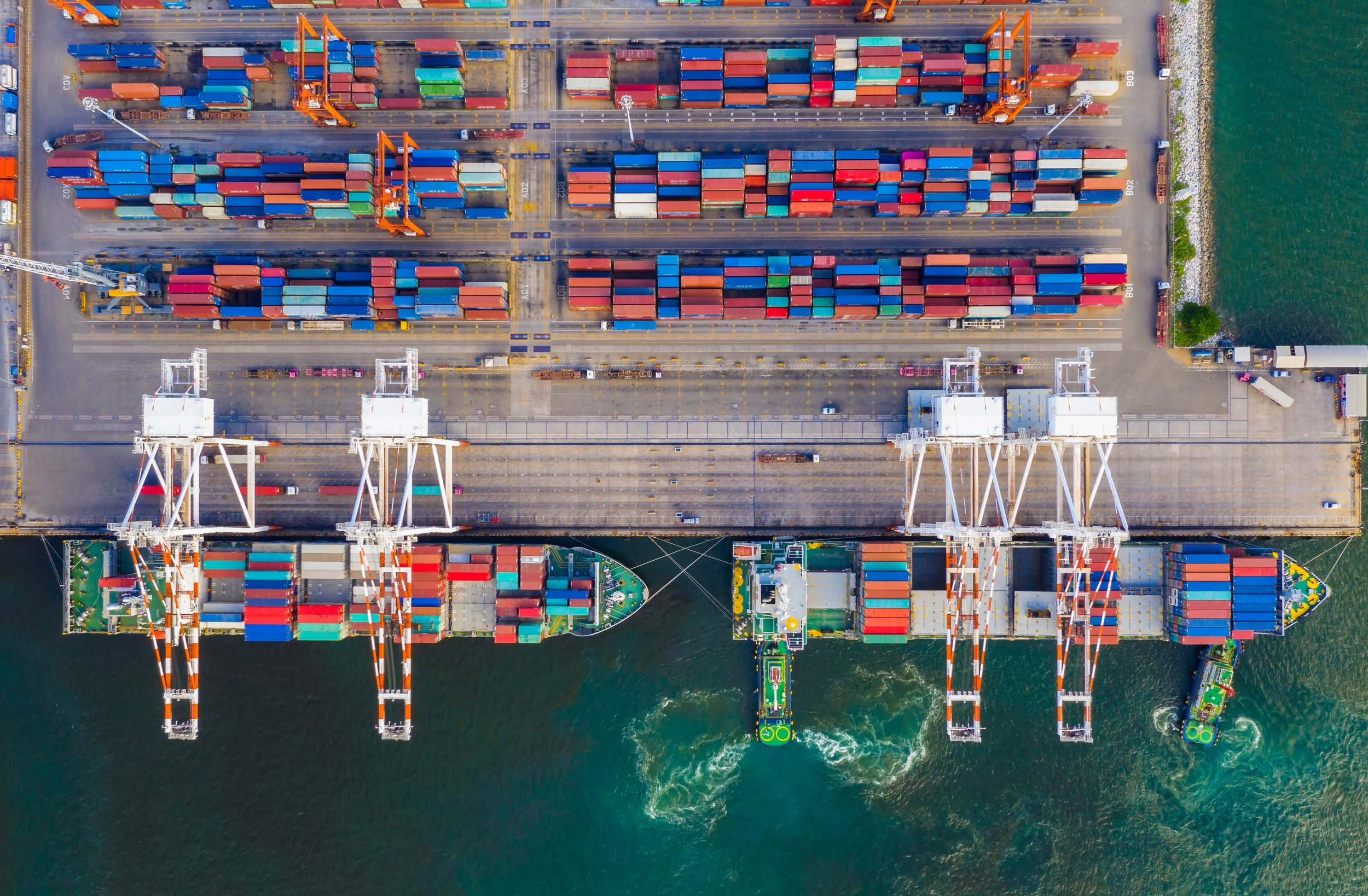
At the heart of Asia, Southeast Asia connects some of the world’s busiest shipping lanes. From Singapore to Port Klang, Ho Chi Minh City to Jakarta, the region’s ports and logistics ecosystems are rapidly expanding and modernising.
Regional initiatives such as the Regional Comprehensive Economic Partnership (RCEP) are streamlining trade, reducing tariffs, and creating a more integrated market. These developments are reshaping global supply chains and positioning Southeast Asia as an essential hub linking East and West.
For Australian businesses, engaging deeply in this region means greater supply chain resilience, shorter lead times, and diversified trade routes that reduce risk from geopolitical or environmental disruptions.
Future-Proofing Through Diversification
The pandemic made one lesson clear: single-route dependencies leave supply chains vulnerable. Resilience now depends on diversity, agility, and data-driven visibility.
At Toll, Southeast Asia is a cornerstone of our global network. Over the past two years, we’ve expanded more than 150,000 square metres across nine markets – a 17% increase in capacity – to better connect with the regional hubs and the wider world.
Our goal isn’t only to move goods faster, but to create networks that can flex and respond to change, giving businesses the confidence to operate in an unpredictable world.
Regional Partnerships Driving Innovation
The future of logistics will be shaped by collaboration between businesses, institutions, and governments that share a vision for smarter, greener, and more connected supply chains.
At our Innovation Centre in Singapore, we’re working with partners such as Republic Polytechnic and Singapore University of Technology and Design (SUTD) to pioneer smart warehousing, robotics, and AI-driven optimisation tools.
Unlocking Growth Markets
Southeast Asia’s booming consumer and manufacturing bases are not just destinations, they are engines of demand for sophisticated logistics solutions. With rising incomes, expanding e-commerce, and a growing middle class, the region is experiencing a surge in demand for fast, reliable, and tech-enabled supply chain services.
This creates fertile ground for Australian logistics providers to expand their footprint and offer differentiated services. Whether it’s warehousing, freight forwarding, or supply chain consulting, the opportunities are vast and growing.
Asia contributes 32% of Toll’s global revenue, highlighting this region’s strategic importance. Key markets such as China, India, Malaysia, and Singapore are not only growth engines for Toll, but also vital gateways for Australian exporters and manufacturers seeking regional integration.
A Strategic Imperative for Australia
Strengthening Australia’s relationship with Southeast Asia is not just an economic opportunity, it’s a strategic imperative. As global supply chains become more regionalised and digitally integrated, proximity and partnership will define competitiveness.
By stepping ahead with Southeast Asia, Australian businesses can:
· Enhance supply chain resilience through diversified routes and regional integration.
· Accelerate innovation via partnerships with forward-looking logistics ecosystems.
· Expand market access to one of the fastest-growing consumer and industrial regions.
· Contribute to sustainable growth through inclusive trade practices and sustainable transport.
A strong relationship with Southeast Asia also allows businesses to make greater strides in reducing their emissions. Toll has committed to achieving net-zero emissions by 2050, taking real action to achieve this goal. Recent investments include A$67M in electric heavy vehicles and A$200M in fuel-efficient fleet upgrades.
The Time to Act Is Now
Southeast Asia is not just rising, it’s reshaping the global trade landscape. For Australian export companies, the region offers a rare combination of scale, speed and strategic alignment. By engaging deeply, investing wisely, and collaborating boldly, we can build supply chains that are not only stronger but smarter.
At Toll, we’ve been proud to stand beside Asia’s businesses for 25 years, and with more than a century of experience behind us, we know that progress isn’t measured only in kilometres moved, but in the partnerships we build along the way.
The future of logistics will be regional, resilient, and deeply interconnected. And the time to step forward with Southeast Asia is now.