The Logistics Driving Bae Juice’s Rapid Expansion into Coles & Costco
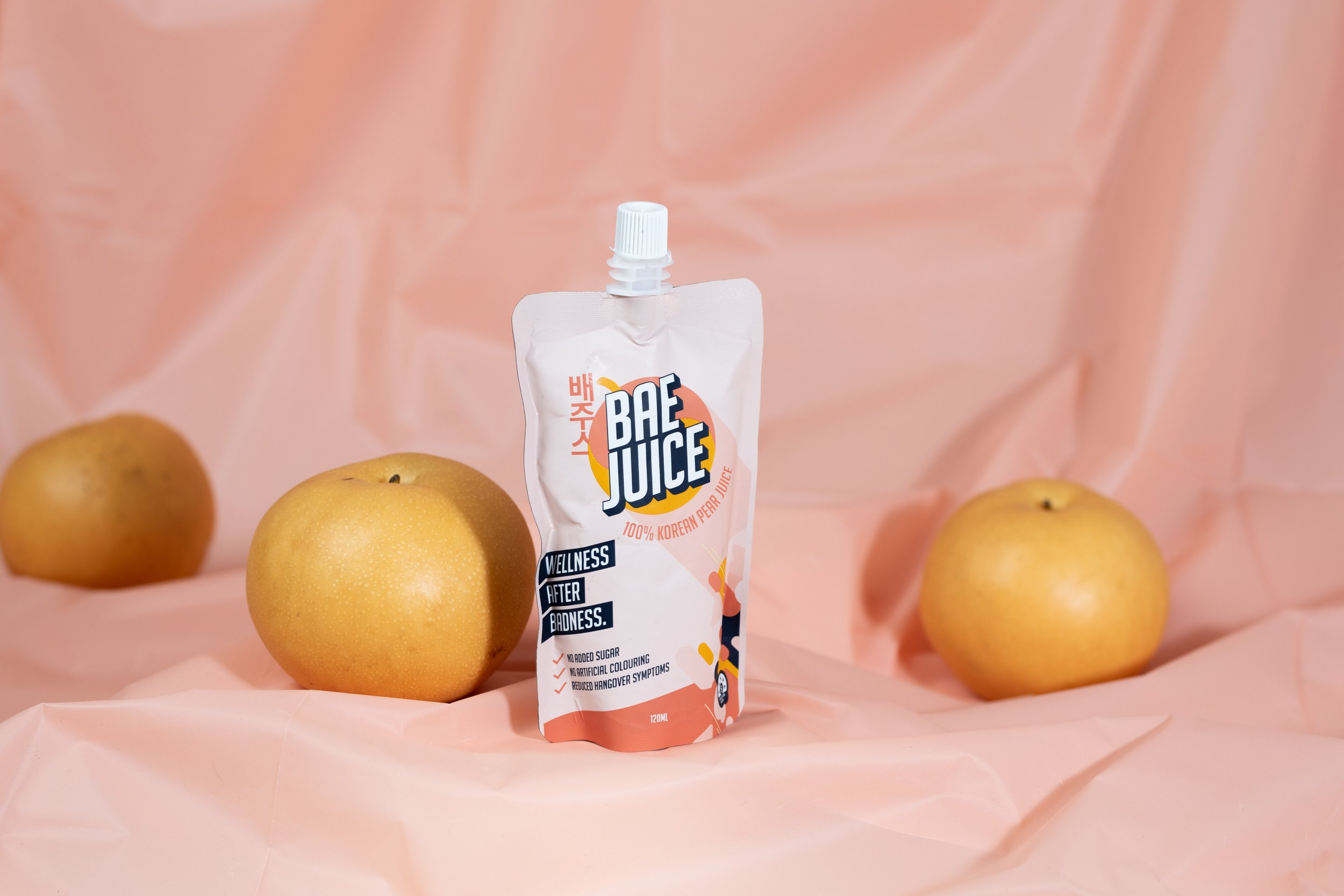
Photo Credit: Bae Juice
Australian cult anti-hangover startup Bae Juice is accelerating its supply chain and distribution strategy to meet surging demand after a record summer sales peak, selling one pack of 100% pure Korean pear juice every 12 seconds in December 2026; triggering stock outages and sending the Melbourne-founded brand mainstream as one of Australia’s fastest-moving functional lifestyle beverages.

Photo credit: Bae Juice
Made of 100% pure organic Korean pear juice, sourced, pressed and packaged in Naju, South Korea, Bae Juice has evolved from a festival-focused local startup into a high-velocity FMCG product category that spans convenience, grocery, petrol forecourts, and big-box retail channels.
This expansion has been underpinned by a series of strategic logistics and distribution milestones:
International sourcing & manufacturing
Bae Juice’s production and bottling operations remain rooted in South Korea’s Naju region, globally recognised as the pear capital, ensuring consistent quality at scale. Finished goods are shipped in bulk to Australia, where the Melbourne-based team manages inbound logistics, warehousing and retail delivery planning.
National distribution partnerships deliver scale
To meet broader retailer demand and improve in-market fill rates, Bae Juice activated key distribution partnerships; most notably with national distributor Royal Foods, significantly boosting access into independent supermarkets and convenience outlets across Australia.
This complements prior expansions into major petrol convenience networks such as Ampol Foodary, bringing Bae Juice to 400+ forecourt locations, and adds to the brand’s coverage of more than 7000+ total outlets nationally.
Big-box and grocery channel penetration
A pronounced shift in Bae Juice’s supply chain focus has been securing shelf space with Australian retail heavyweights, including the recent addition of Coles and Costco to its distribution footprint. These placements open up pallet-level logistics and national chain replenishment programs, amplifying velocity and reducing out-of-stock risk.
Alongside longstanding availability through Woolworths, Dan Murphy’s, BWS and IGA, the brand is now entrenched across mainstream and specialty retail, strengthening category presence and supporting forecasted revenue of $5 million in FY26, a substantial lift from $2.5 million last year.
Channel diversification & logistics planning
Bae Juice’s multi-channel distribution strategy spans:
· Traditional grocery and liquor retail - continuous replenishment into Coles, Woolworths and specialty outlets.
· Petrol and convenience stores - scaled presence via Ampol Foodary and other networks.
· Independent retailers - nationally distributed via third-party logistics partners.
· Export growth lanes - planned expansion into New Zealand and China, broadening freight and retail execution complexity.
These channels require robust demand forecasting, inventory management and replenishment planning to smooth peaks, particularly across the end-of-year trading surge when Bae Juice recorded sell-outs and strong reorder rates across petrol, convenience and grocery sectors.
As consumer demand continues to grow, so too does the need for resilient logistics and supply chain execution, and Bae Juice are currently investing in planning, partnerships and data to make sure product is available whenever and wherever customers are ready to buy.