Behind Every Smooth Last Mile Delivery is an Innovative Warehouse
Written by George Pecchiar, Executive Director, Peacock Bros.
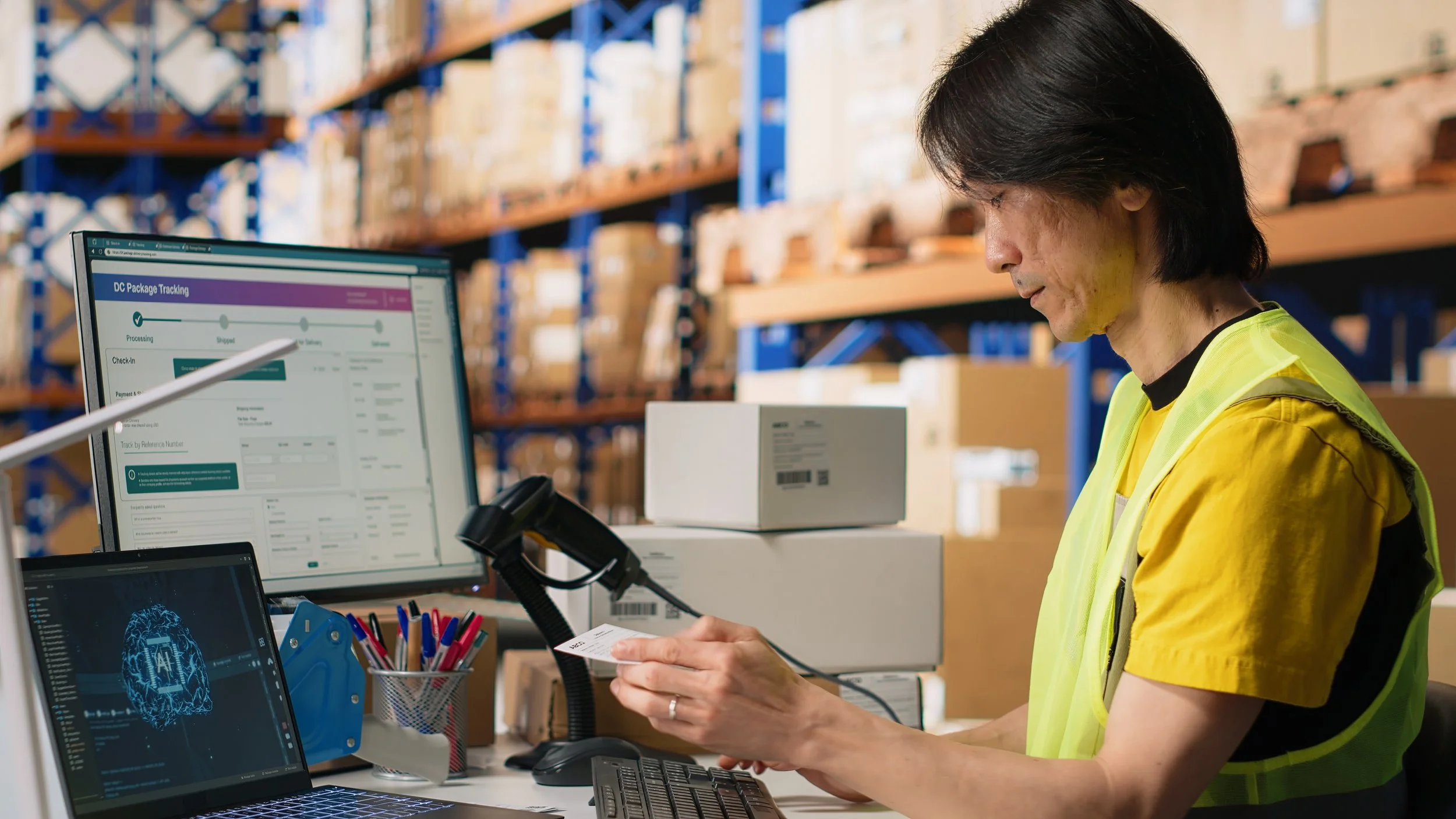
Australian businesses operate in one of the toughest fulfilment environments in the world. Customers expect near-instant delivery, flawless accuracy and constant visibility, but behind the scenes, many warehouses are still running on outdated systems or a mismatch of disconnected tools. The result is friction in the form of bottlenecks in picking, gaps in inventory visibility, and costly mistakes that ripple downstream into the last mile.
Modernisation has become the defining challenge for today’s warehouses. It’s about creating an integrated, flexible and resilient foundation that can scale with demand and keep customers loyal in a market where a single poor delivery experience can break trust.
Last Mile Delivery Pressures Begin in the Warehouse
The last mile has a reputation for being the costliest, most complex leg of fulfilment. It’s also the part customers watch most closely, which is why it attracts so much attention. Congested cities, sprawling suburbs and rising consumer expectations only add to the challenge. But in reality, last mile problems often start much earlier in the process and long before a parcel hits the road. If a warehouse is slow to process orders, mis-picks inventory, or lacks supply chain visibility, it doesn’t matter how fast the courier van drives, the delivery is already compromised.
That’s why modernisation efforts are increasingly focused inside the four walls of the warehouse. A facility with streamlined operations creates the foundation for faster, more accurate fulfilment, which in turn makes the last mile smoother, leaner and less expensive.
Building Smarter, More Flexible Warehouses
For many warehouses, the real barrier to performance isn’t the absence of technology but the complexity of it. Legacy systems, manual workflows and disconnected devices create silos that breed inefficiency, frustration and limited scalability.
Modernisation requires taking a holistic approach, where technology, equipment and support work together rather than in isolation. That often starts with simplifying the technology stack, replacing spreadsheets or patched-together systems with cloud-based platforms that automate core workflows and enhance inventory optimisation. From there, rugged mobile devices can keep teams connected on the floor, while durable labelling ensures accuracy from shelf to shipment.
Australian businesses increasingly want flexible, end-to-end solutions that can deliver these outcomes without long deployment timelines. The key is not to tackle everything at once, but to take a modular approach, phasing in changes that solve the most pressing issues first and then building out. Done this way, modernisation becomes far less daunting.
From Supply Chain Visibility to Trust
While mobile devices, scanning and cloud platforms form the foundation of warehouse modernisation, RFID is now emerging as the technology that takes visibility and accuracy to the next level. In warehouses, RFID offers real-time visibility of items as they move through receiving, storage and fulfilment. Unlike traditional barcode scanning, which requires line-of-sight, RFID tags can be read automatically and in bulk. This means stock can be tracked more efficiently, mis-picks reduced, and time-consuming manual counts eliminated.
The benefits extend beyond the warehouse. RFID improves transparency in last mile delivery, enabling more accurate tracking, simpler returns processes and more reliable updates for customers. It also reduces waste by cutting down on errors and duplicate shipments, supporting both profitability and sustainability goals.
RFID offers businesses a way to close long-standing supply chain visibility gaps and build the kind of reliability their customers now expect.
The Future of Fulfilment
As customer expectations rise, the winners in retail and supply chain won’t just be the fastest or the cheapest. They’ll be the ones who deliver consistently, every order, every time. To get there, businesses need more than incremental upgrades. They require modern warehouses that combine visibility, flexibility and innovation. And that transformation starts inside the four walls of the warehouse.
For more information on how warehouse modernisation can help improve your business, please visit: https://solutions.peacocks.com.au/warehouse