Could Supply Chain Transformation Unlock Australia's Productivity Problem?
Written by Travis Erridge, CEO and Co-Founder, TMX Transform
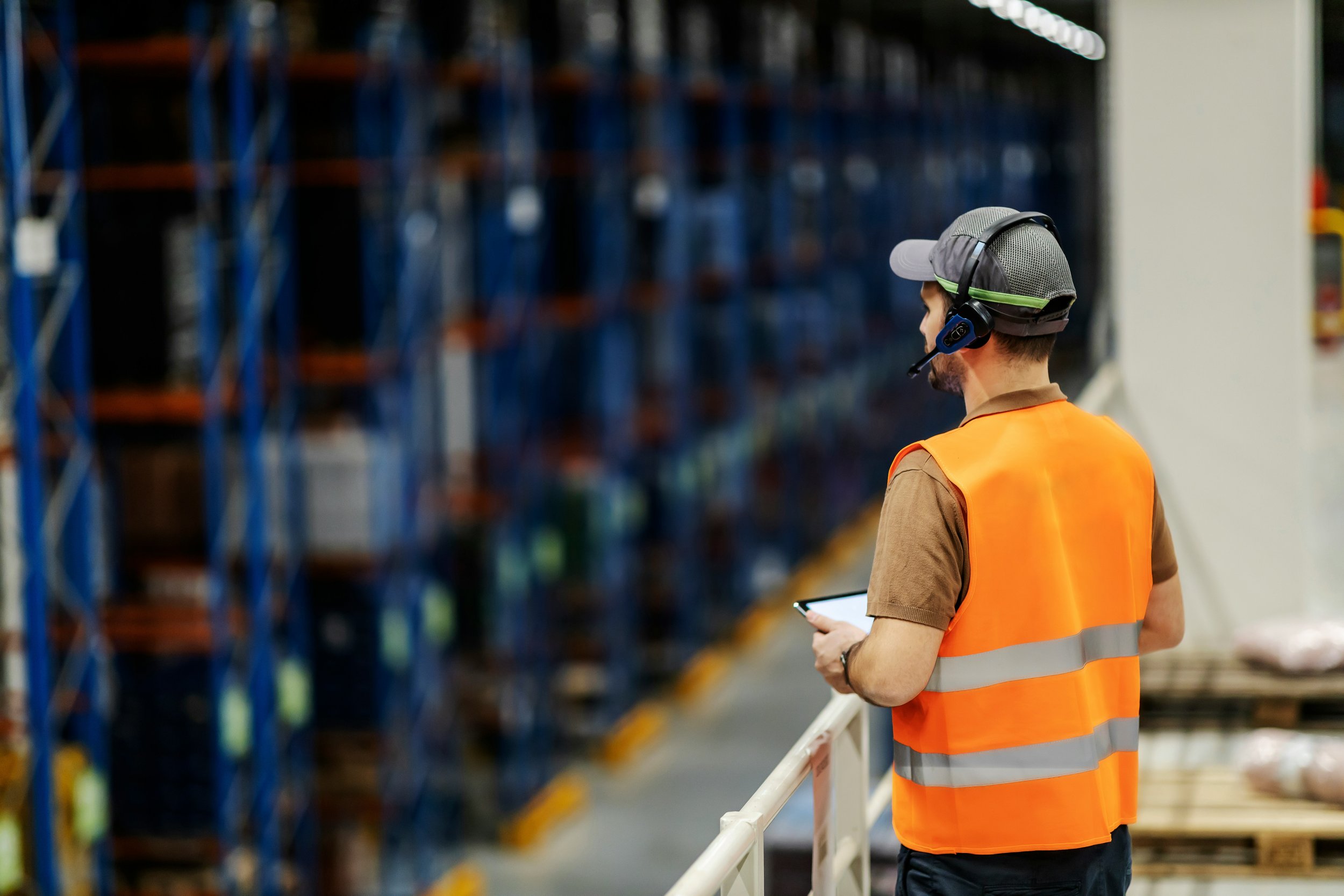
Over the last five years people have become acutely aware of the complex logistics that fulfil our every need – ships wedged in canals, toilet paper shortages, and two year waits on new cars. At the same time, we have also upped our ‘needs’ in ways that have inflicted unprecedented changes on businesses and logistics operations. We want a plethora of choice, immediate delivery, sustainable manufacturing – all at a low cost.
I raise this now, given the recent discussion on productivity. Australia must lift the bar and supply chains are key to that.
There has been a lot of talk about AI and technology improving productivity. While of course AI can help with areas like upskilling and education, it can also ensure businesses keep pace with consumer behaviour.
Consumer demands dictate the supply chain landscape in today’s market, and right now they expect speed, reliability and availability. What’s more, despite inflation reshaping cost structures, consumers don’t want to pay higher prices. This is where smarter supply chains become a competitive differentiator and an enabler of productivity and growth.
A good example of this is the role end-to-end visibility can play in both reducing costs and improving customer experience. If a customer wants a new pair of jeans ‘now’, a retailer should know where the stock is, have predicted style, quantity, time, location, and have optimised inventory and logistics to deliver quickly, at a low cost.
AI and technology can help with that. AI and ‘big data’ together can predict what the customer wants before they know it themselves and remove supply chain inefficiency and waste, to reduce cost and impede prices, and hence inflation. Happy customers, happy mortgage payers.
But, if that same customer orders three sizes of jeans, then returns them, reverse logistics kills margins, unless there is a data-driven strategy underpinning the process.
TMX Transform recently surveyed 500 supply chain leaders, revealing that supply chains are often viewed as a significant cost centre, and therefore an obvious starting point for business leaders focused on cost reduction. More than a third (38%) of supply chain leaders say the focus on cost reduction is their biggest challenge and one in four (26%) say if they could improve only one area of their supply chain it would be to reduce costs.
This means that strategic, long-term planning of supply chains is being seriously neglected.
Supply chains are on ‘starvation diets’, and this lack of investment is hobbling innovation, business growth, and resilience. Not only will ever increasing customer demands eat this lack of supply chain strategy for breakfast, but the economy won’t thrive either.
The cost of capital is now decreasing. In a world where customer loyalty is fragile, and supply chains are fragmented and complex, businesses taking this moment to invest in long-term supply chain optimisation will win on cost, capability, and customer experience. That is good for consumers and for Australia.
It’s all well and good to talk about AI as the answer to productivity, but it’s wishful thinking to assume it will fix everything overnight — you might have the brains, but without the muscle to execute, especially in supply chains, progress will stall.
Automation and material handling is key to a fully connected digital and physical supply chain network, but there are fewer humans who want to do the heavy lifting, and automation takes four to five years to implement. If the conversation is just starting now, then you are already late to the party.
So, if governments want all this to happen, they need to enable the speed aspect too. This progress must be supported by them running alongside, listening – writing the red tape can’t gum this progress up for years.
Supply chains are not glamorous, but they are part of the solution to what ails us. Long term mindsets in Canberra, a focus on enabling investment whether through incentives or tax reform, and an ear for those industries who are involved in fulfilling the basics in our lives, are what is needed in the productivity debate.