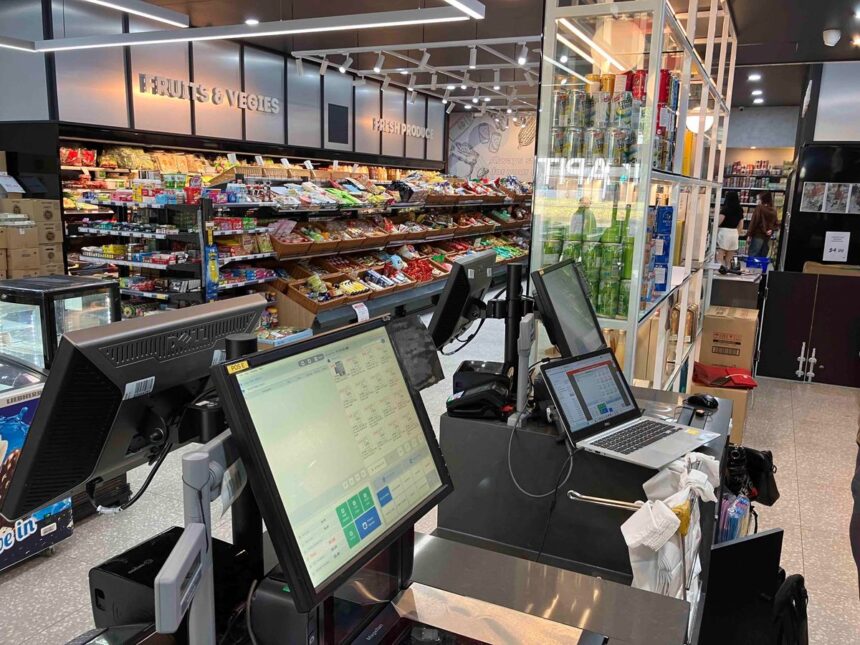
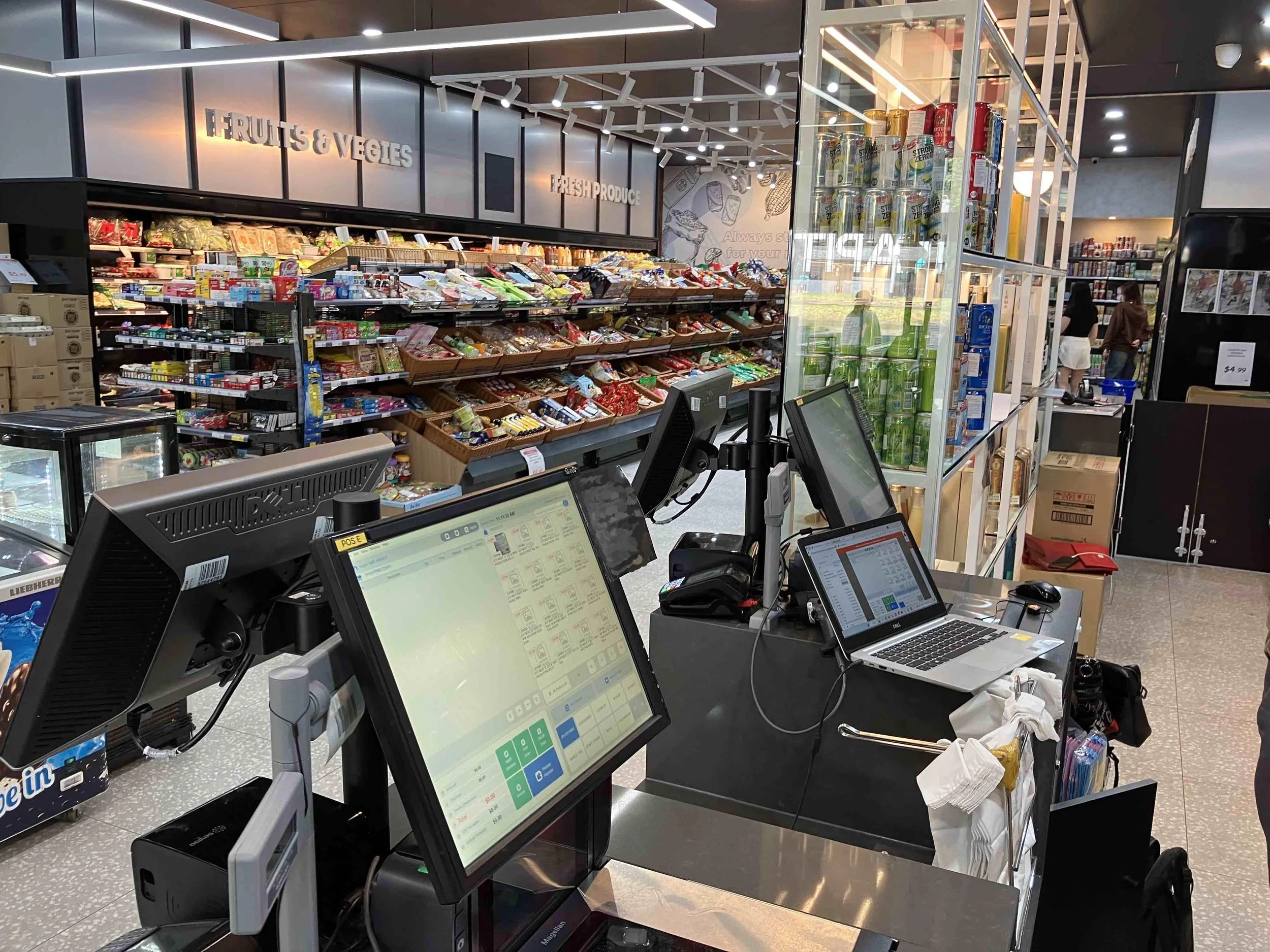
Behind the shelves of a growing network of Asian supermarkets in Melbourne, things were getting complicated.
Stock levels didn’t always match up between stores and the warehouse, invoices were reconciled manually, and deliveries were organised by phone and spreadsheets.
Customer data existed, but it wasn’t usable. Likewise, sales were strong, but visibility wasn’t.
These supermarkets were working hard, but every part of the business was operating separately. POS didn’t talk to inventory, inventory didn’t talk to the warehouse, and deliveries were planned manually; making simple decisions harder than they needed to be.
Instead of layering on more software, the group partnered with leading Melbourne-based applied AI innovator AIBUILD to rebuild how their systems worked; connecting point-of-sale, inventory, warehouse management, transport, and customer data into one platform.
The change wasn’t flashy, but operational; fixing the problem at hand and improving efficiencies costing time and money.
Today, the system processes more than 2,000 orders per day and supports around $100,000 in daily transactions, and store managers can now see, in real time, what’s selling, what needs replenishing and how stock is moving from warehouse to shelf.
Invoices reconcile automatically, deliveries are assigned and routed using AI, and managers aren’t waiting for end-of-week reports to understand performance.
Yifei Wang, co-founder and director of AIBUILD, said:
“Most independent retailers don’t have a demand problem, but a systems problem. Retail is full of hardworking operators, but when systems don’t connect, you lose time, margin and visibility.”
“What we built here isn’t futuristic robotics, but a connected operational backbone that helps these businesses make better decisions every day. These supermarkets can now actually see their business from the top down, all whilst optimising and streamlining overall operations, and that’s the real difference.”
The rollout included:
-
AI inventory management that automates stock and invoice reconciliation
-
A transportation management system that assigns drivers and optimises delivery routes
-
Integrated order tracking for clearer fulfilment oversight
And
-
A customer membership and shopping app directly linked to sales and inventory
The customer layer turned out to be just as important.
The membership app has now passed 20,000 downloads and sign-ups. In one two-month period, more than 7,000 customers joined, and stores can now track purchasing behaviour, tailor offers, and measure repeat visits; something that was previously guesswork.
The project reflects a quiet but strong shift happening across grocery retail. While major chains invest heavily in integrated systems, independent retailers are often left stitching together disconnected tools.
This Melbourne group chose to rebuild the foundation instead.
For a business processing thousands of daily orders across stores and warehouses, that foundation now runs on live data, instead of chaotic spreadsheets.
For more information, visit: https://www.aibuild.com/